No new process server assault incidents were reported this week. Federal law (18 USC § 1501) remains the primary protection, with only California, Florida, Illinois, and New York classifying assault on a process server as a felony. Arizona has proposed but not enacted similar legislation. The remaining 45+ states offer no enhanced protections.
By Mighty Mike, President & CEO of 123 Legal Inc.
Published via Mighty Process Server | mightyprocessserver.com
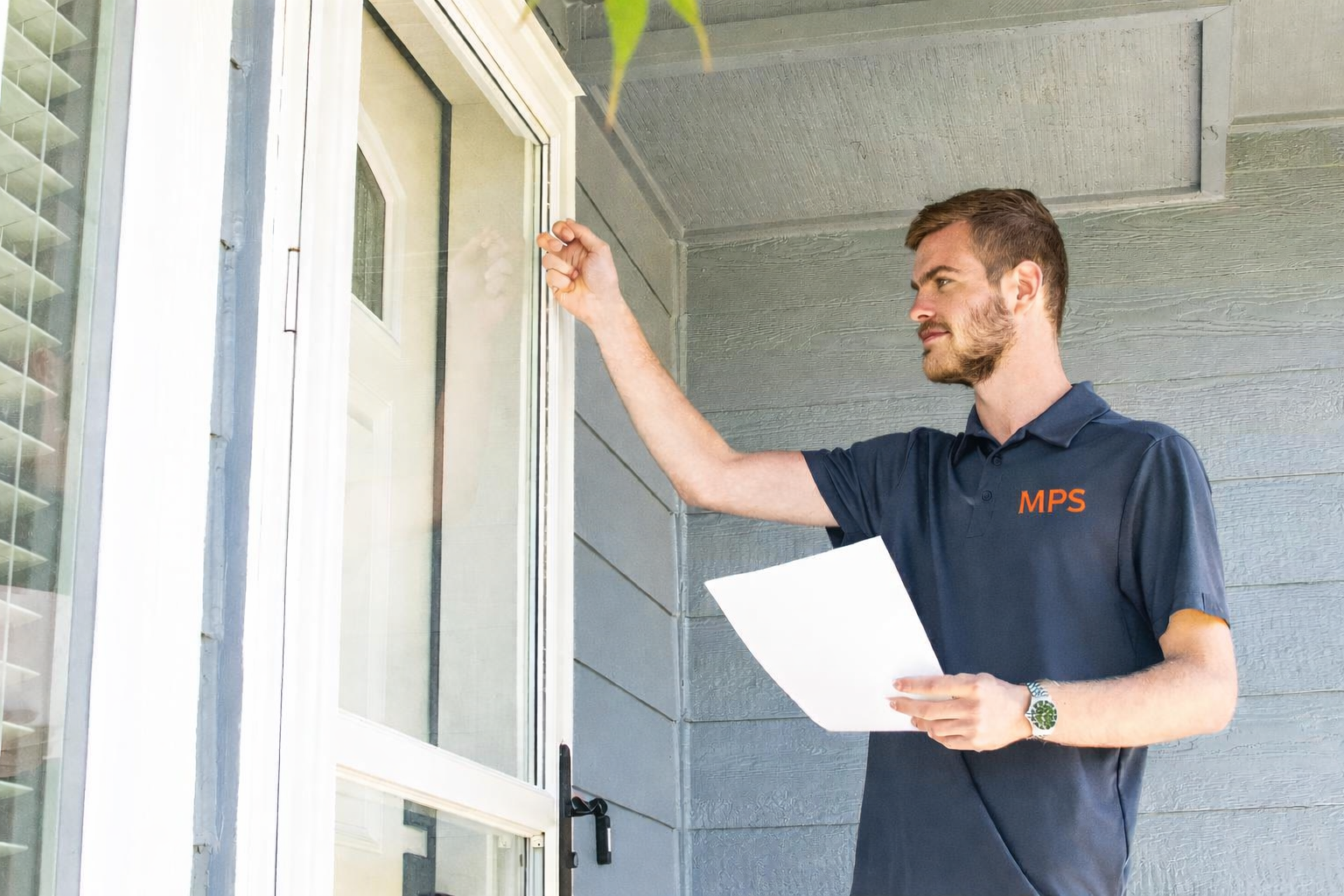
Every process server knows the feeling. You walk up to a door, knock, and have no idea what is on the other side. It could be a routine serve. It could be someone having the worst day of their life. And in rare but real cases, it could be someone with a weapon.
The question of whether process servers are adequately protected by law is one the industry has been asking for years. The answer, unfortunately, is: not in most states.
As of 2026, only four states — California, Florida, Illinois, and New York — classify assault on a process server as a felony. Arizona has proposed similar legislation, but it has not been enacted. In the remaining 45-plus states, assaulting a process server carries no enhanced penalties beyond standard assault statutes. That means the person delivering a divorce petition or an eviction notice has the same legal protection as any random person on the street — despite the fact that they are performing a function that the courts depend on.
At the federal level, 18 USC Section 1501 makes it a crime to knowingly and willfully obstruct, resist, or oppose any person authorized to serve legal process of a U.S. court. But this statute is narrow — it applies to federal court process, not state-level service.
The data tells an important story. According to Bureau of Labor Statistics data, legal service professions have fatality rates of 0.5 to 0.7 deaths per 100,000 workers, which is well below the national average of 3.5. Fatal incidents in process serving are rare. But that statistic does not capture the full picture. Confrontations, threats, verbal abuse, and non-fatal assaults are a daily reality for servers across the country. The National Association of Professional Process Servers has documented that assaults occur regularly, though comprehensive national data remains limited.
High-profile incidents over the years underscore the risk. Process servers have been shot, attacked, and killed while doing their jobs. In 2019, a process server in Tulsa, Oklahoma was shot in the elbow when the person being served fired through the door. In other documented cases, servers have been killed while serving eviction papers, restraining orders, and divorce documents — the types of cases most likely to trigger an emotional response.
What can the industry do? First, advocate for felony assault protections in your state. If you belong to a state process server association, this should be at the top of the legislative agenda. Second, follow safety protocols — never serve alone at high-risk addresses, use body cameras, conduct background research on recipients before serving, and trust your instincts. Third, report every incident. Underreporting is one of the biggest barriers to building the case for legislative change.
Video Resource: Watch this CBS Detroit investigative report on fake process servers and safety risks: CBS Detroit — Fake Process Servers Investigation
Sources & Further Reading:
Process Server Assault Legislation by State (ServeNow)
18 USC § 1501 — Federal Protection (GovRegs)
Process Server Safety Statistics (Dr. Legal Process)
Stay sharp. Stay informed. Stay mighty.
Join the Mighty Process Server community at mightyprocessserver.com
The #1 community for professional process servers.
This article is written for members of the Mighty Process Server community, powered by AskAServer.ai, the leader in legal support intelligence.
MPS Weekly Newsletter powered by
AskAServer.ai, the leader in legal support intelligence.
Thousands of visitors come to Mighty Process Server each day looking to hire process servers like you. Join our network and start getting more clients today!
FOLLOW US
Youtube